Visual Annex
Figure Archive
This annex collates satellite imagery, factory photography, and renderings referenced throughout the dossier so that readers can inspect every visual asset in one place.


Chapter 01
Role of Drones in the Full-Scale Russo-Ukrainian War
Unmanned aerial vehicles, and especially loitering munitions, have transformed the conduct of the Russo-Ukrainian war by extending strike reach, accelerating targeting cycles, and blurring the line between psychological and kinetic effects.
This edition distills the same evidence base as the earlier Japanese study to situate Shahed-series drones inside Russia's evolving reconnaissance-strike architecture.
Chapter 02
Objective
This report analyzes the role of drones in the full-scale Russo-Ukrainian war, focusing on the operational employment of the Shahed-136 loitering munition, its production system, Russian force employment, and the geographic patterns of associated attacks.
Chapter 03
Introduction: Noticeable Increase in Loitering Munition Attacks since September 2024
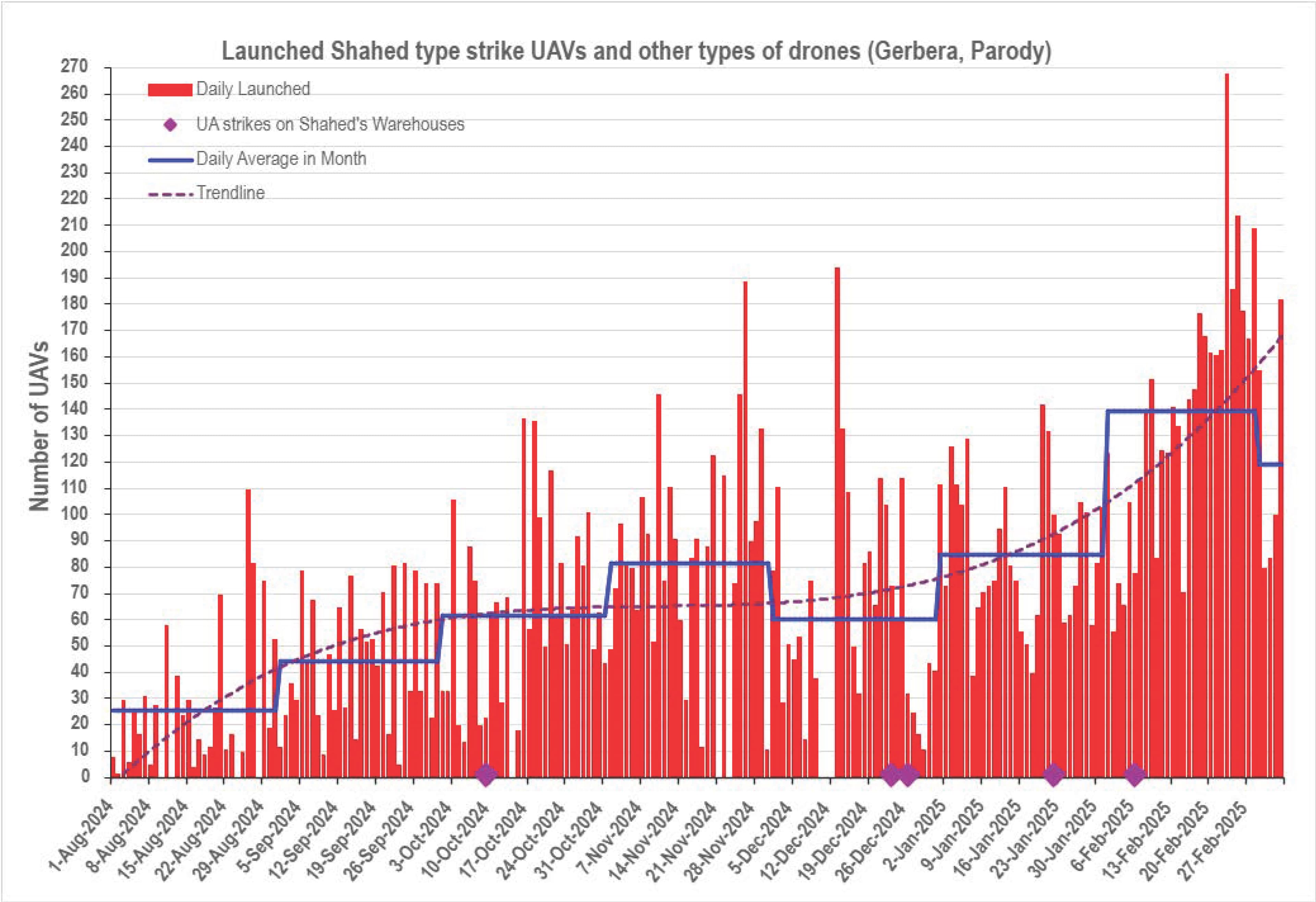
Since the February 2022 invasion, loitering munitions have reshaped the war, but from September 2024 their frequency and scale surged, inflicting heavier damage on Ukrainian urban infrastructure and civilian facilities.
The escalation reflects intertwined tactical, strategic, and economic drivers; unpacking these mechanisms is indispensable for understanding how unmanned systems redefine contemporary warfare.
Chapter 04
Research Question (RQ): Why Have Drone Attacks Increased?
Why has the number of Shahed-136 loitering-munition attacks increased during the full-scale Russo-Ukrainian war?
Chapter 05
Sub-Research Questions (sRQ)
Supporting questions guide the investigation:
- What are the technical characteristics and tactical advantages of the Shahed-136?
- How have technology-transfer and production processes—particularly within the Yelabuga Special Economic Zone—evolved through cooperation with Iran?
- How does the Russian reconnaissance-strike complex shape drone employment?
- How can apparent mis-targeting, including strikes intended for military objectives, be systematically categorized?
- Which geographic patterns emerge when drone attacks are catalogued and visualized monthly?
Chapter 06
Overview of the Shahed-136 Examined in This Study
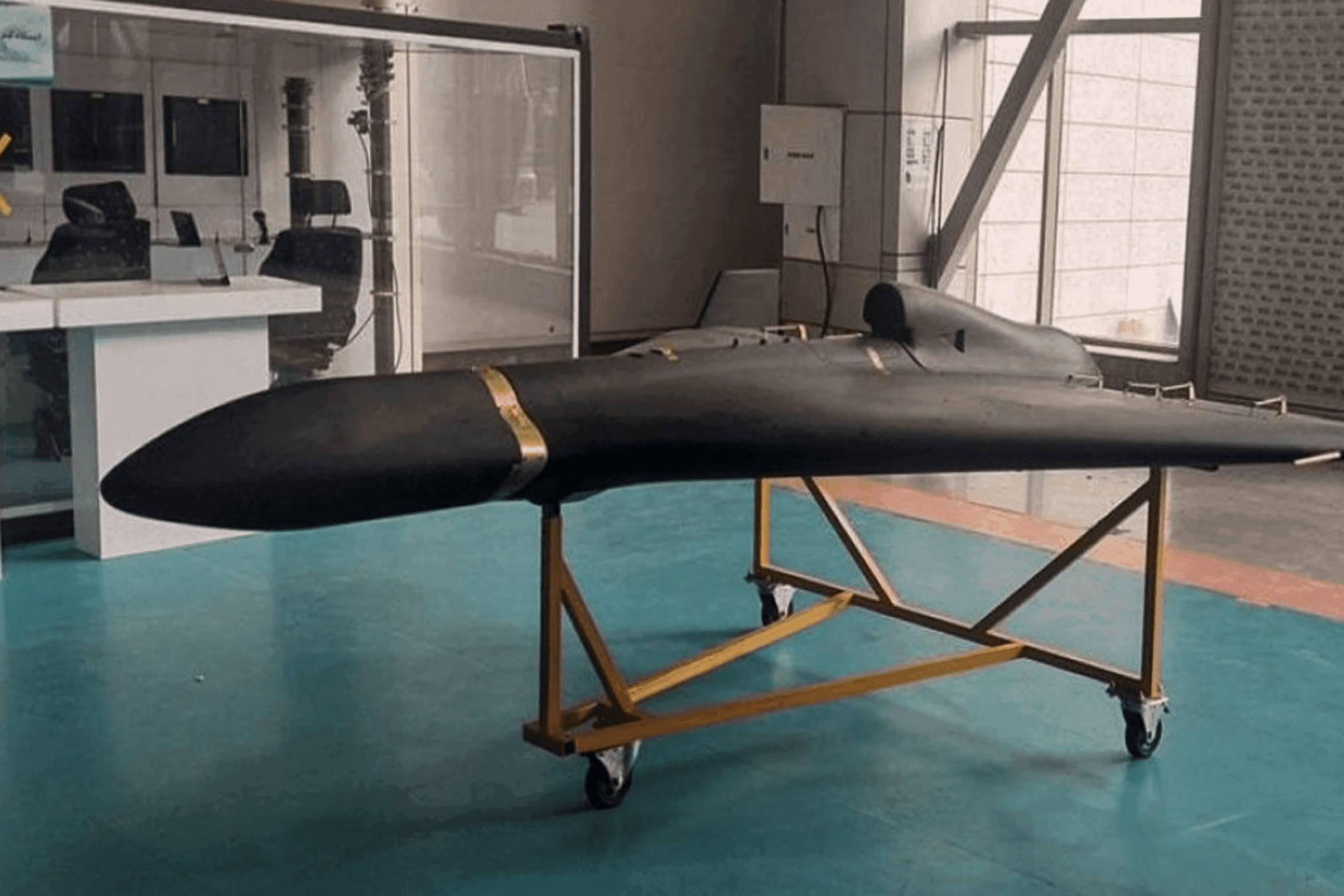
The Shahed-136 (Geran-2) is an Iranian-manufactured loitering munition prized for its low cost, long range, and scalability.
- Name: Shahed-131 / Shahed-136 (Russian designations Geran-1 / Geran-2)
- Manufacture: Iran (HESA & SAIRS, 2023) with domestic production now underway in Russia
- Warhead weight: roughly 20–40 kg
- Guidance: GPS/GLONASS plus commercial-grade inertial navigation (typically no onboard AI)
- Range: Shahed-131 ≈ 700–1,000 km; Shahed-136 ≈ 1,300–2,000 km
- Cost: approximately USD 20,000–30, less than one percent of a Tomahawk cruise missile
Chapter 07
Tactical Advantages
Shahed-136 drones furnish several mutually reinforcing advantages:
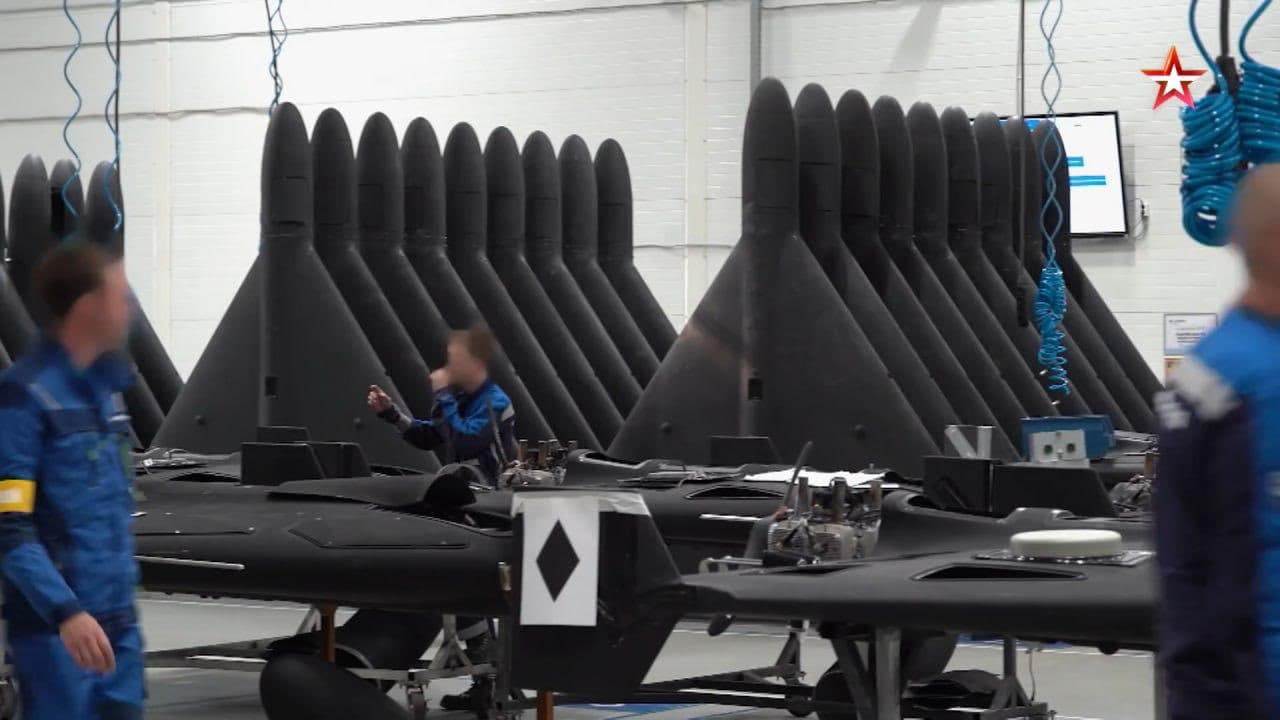
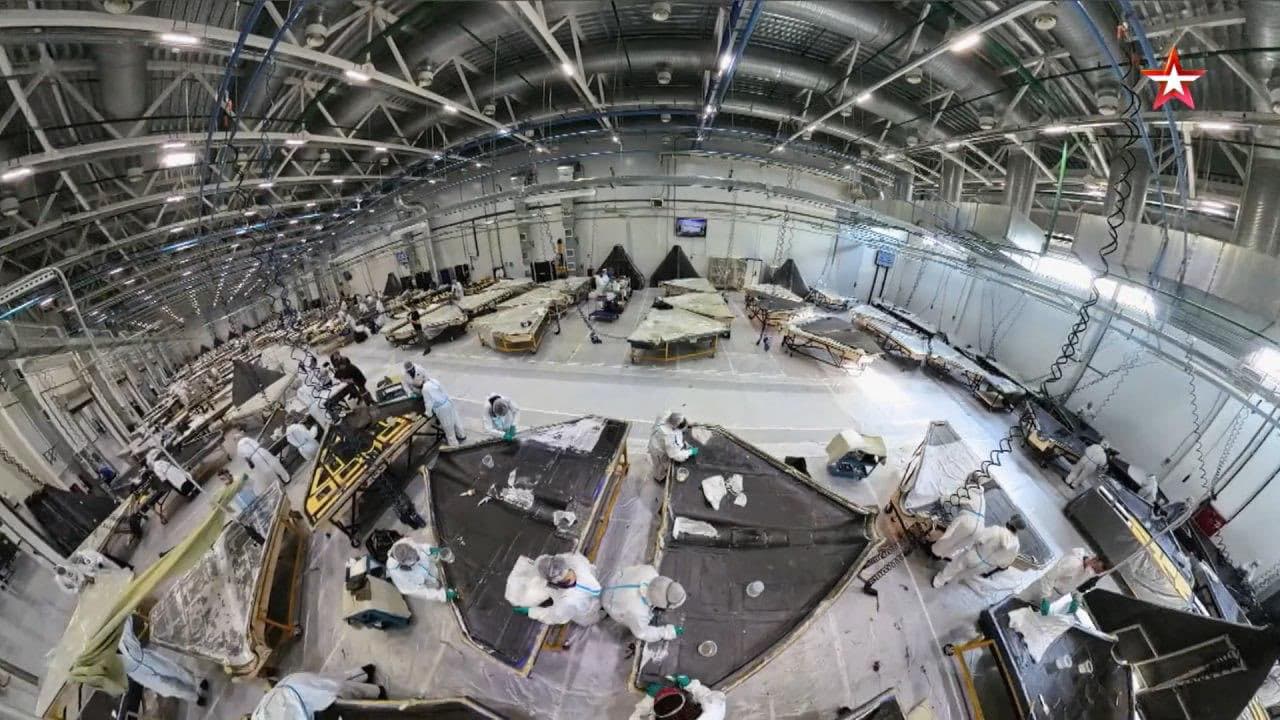
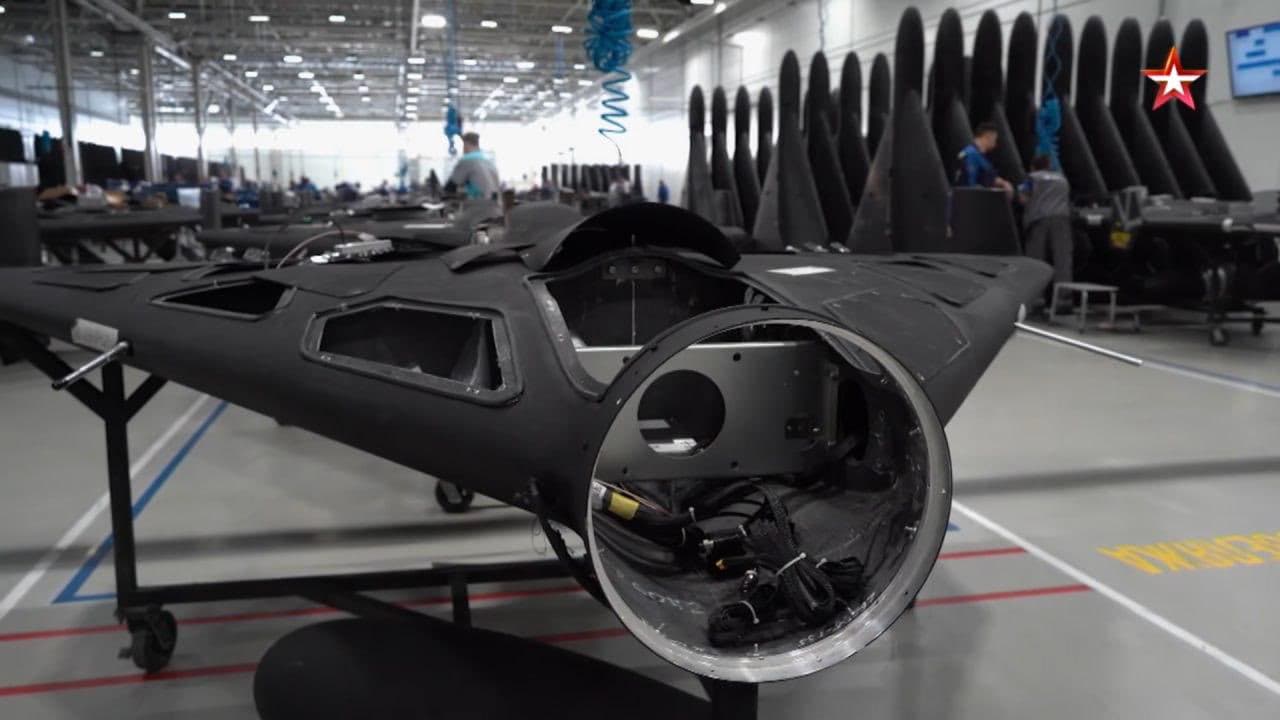
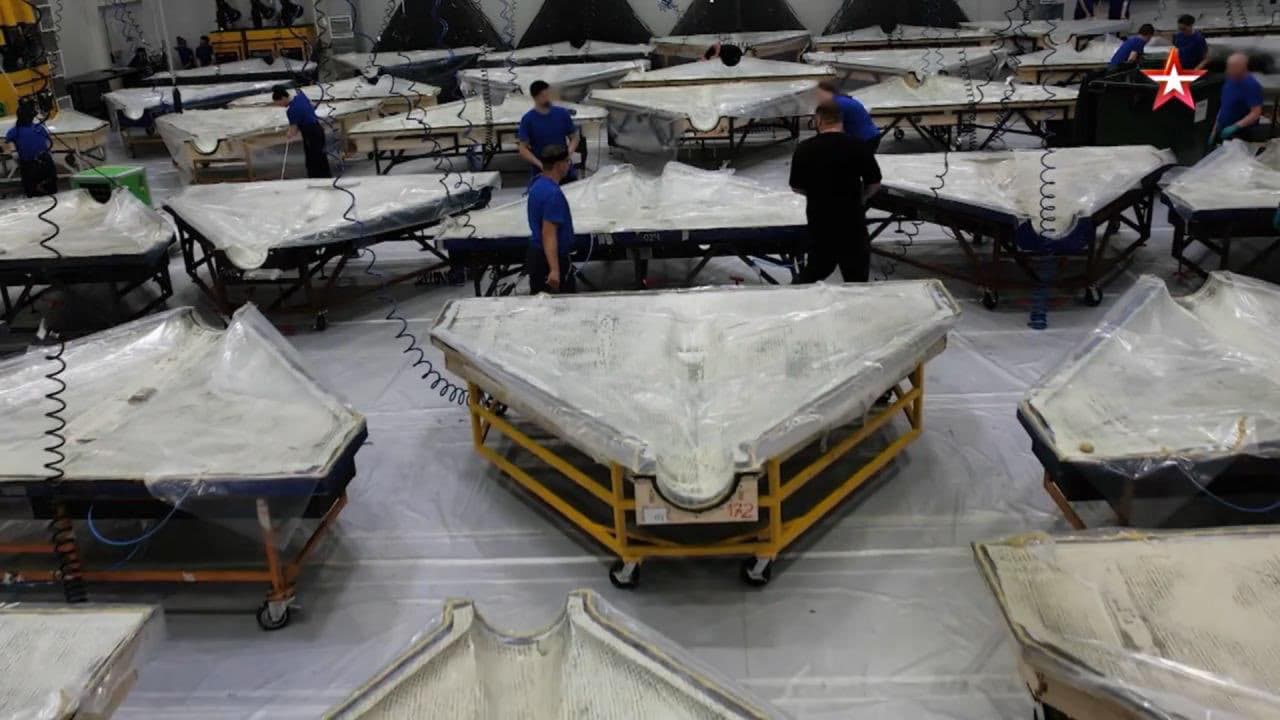
- Low cost and mass production: carbon-fiber and honeycomb structures plus reverse-engineered commercial engines enable quasi-DIY manufacturing and sustained strike capacity.
- Extended range: the platform can threaten critical infrastructure anywhere in Ukraine, from Odesa to Lviv.
- Low observability: low altitude, low speed, and a small radar cross-section complicate detection, especially during night operations.
- Cost-exchange asymmetry: the drone's price point contrasts sharply with interceptors such as Patriot missiles, imposing a structural financial tax on Ukrainian air defense.
Chapter 08
Technology Transfer from Iran to Yelabuga
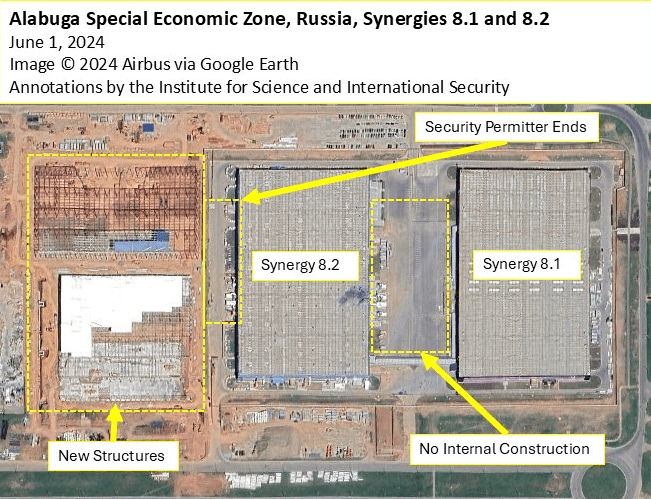
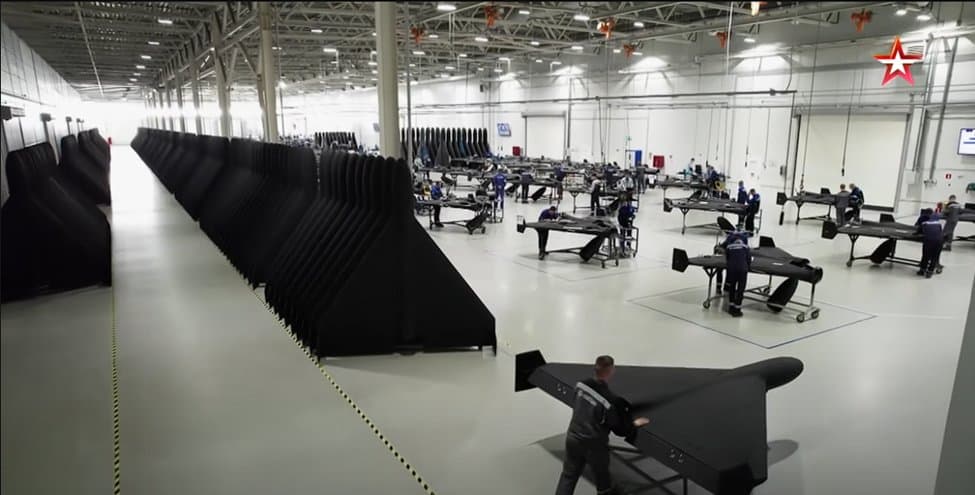
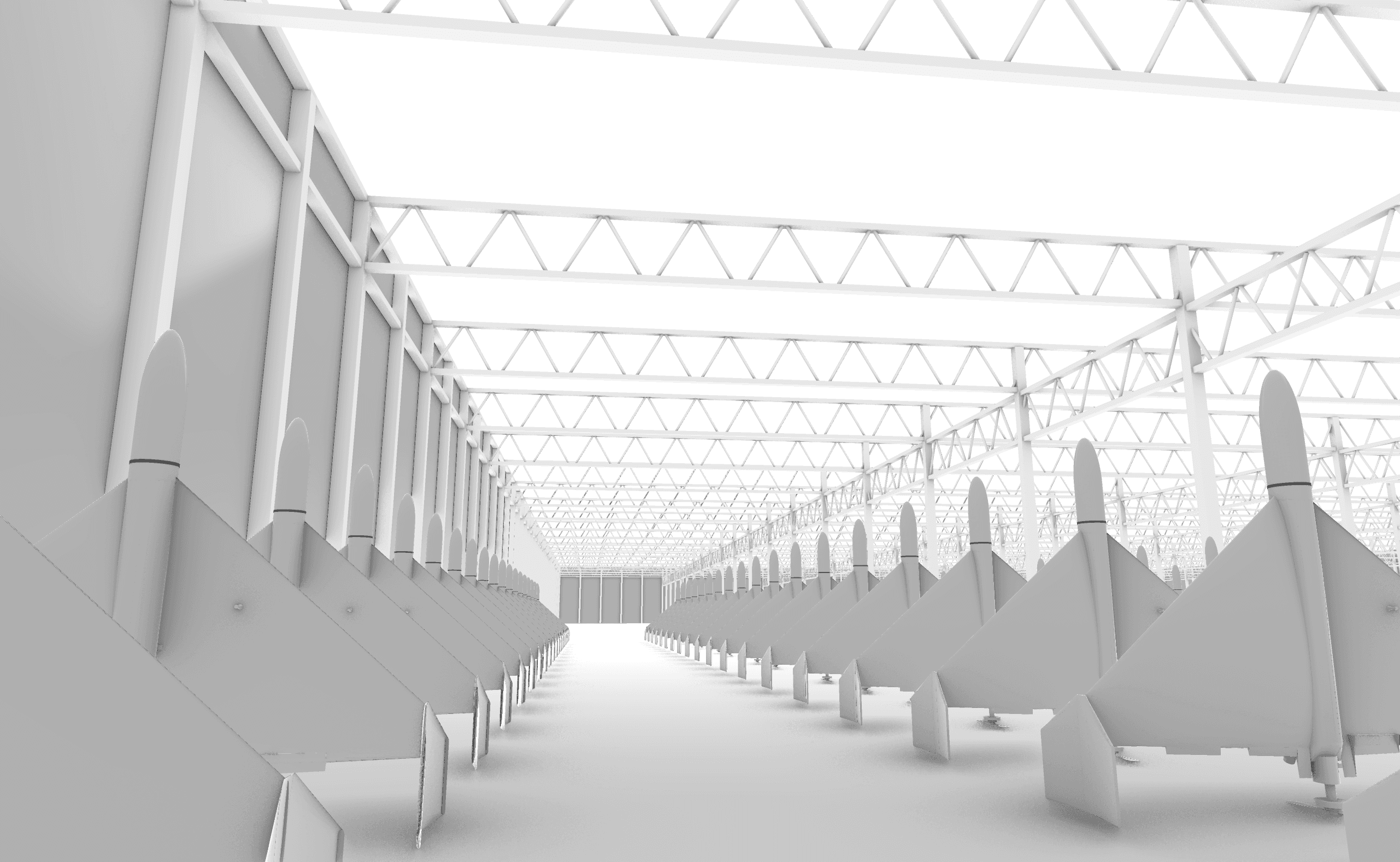
Despite sanctions, Russia has expanded domestic production through Iranian know-how, concentrating assembly lines inside the Yelabuga Special Economic Zone in Tatarstan.
Chapter 09
Production Contracts and Supply Conditions
JSC Alabuga reportedly signed a USD 1.75 billion franchise agreement in early 2023 to deliver 6,000 Shahed drones by September 2025, with roughly 4,500 units already supplied by April 2024—ahead of schedule.
Chapter 10
Increased Production Rate
Open-source reporting indicates that Alabuga has tripled daily throughput from about seven airframes to roughly twenty via a two-shift system, implying a theoretical annual capacity exceeding 10,000 units under continuous operation.
Chapter 11
Outsourcing and Component Supply
Expanded output relies on outsourcing warhead fabrication and additional components to Russian subcontractors while channeling commercial electronics and small engines through Taiwan, Eastern Europe, the UAE, and China.
Chapter 12
Attacks on the Yelabuga Special Economic Zone
Ukraine has attempted to degrade the production hub via stand-off strikes.
- 2 April 2024: a modified Aeroprakt-22 UAV struck a dormitory housing drone-factory personnel; production halls reportedly remained intact behind metal anti-drone cages.
- 23 April 2025: Shahed/Gerbera workshops were again targeted by long-range UAVs; most were intercepted, but two reached the compound, prompting further reinforcement of air defense and EW assets.
Chapter 13
Russian Military Employment: The Reconnaissance-Strike Complex
Russia's drone employment now reflects the maturation of the reconnaissance-strike complex, integrating long-range precision weapons with real-time ISR routed through fused command centers.
Chapter 14
Initial Challenges: Deficiencies in C4ISR and Operational Vulnerabilities
Early in the invasion, weak C4ISR, communication breakdowns, and misuse of the Strelets tactical system prevented efficient integration of UAV intelligence, causing delays and confusion across Russian units.
Chapter 15
Improvement and Integration: Evolution toward a Reconnaissance-Strike Complex
Subsequent reforms expanded redundant C4ISR, proliferated brigade-level UAS teams, and fostered distributed command structures anchored by combined sensor-effector units.
- Dedicated UAS teams at brigade/battalion echelons enable rapid target acquisition and deep fires.
- Integrated command centers fuse UAS, forward observer, SIGINT, and EW data into unified operational pictures.
- Distributed C2 emerges via Lancet and FPV-equipped “hunter-killer” teams capable of autonomous strikes.
Chapter 16
Operational Process of the Shahed-136 in Russian Service
The Shahed-136 employment cycle follows a repeatable loop from intelligence collection through post-strike adaptation.
- 1. Intelligence collection and situational awareness: classify military and civilian targets, assess air defenses.
- 2. Operational planning: design low-altitude routes, select launch sites, schedule attacks, pair with other weapons.
- 3. Preparation and deployment: transport airframes, program GPS coordinates, verify weather, stage launch crews.
- 4. Execution: launch multiple drones in staggered waves and monitor flights when communications allow.
- 5. Battle-damage assessment: use satellite imagery, ISR assets, and open sources to gauge effects and Ukrainian responses.
- 6. Adjustment and adaptation: analyze interception rates and refine routes, timing, and target packages.
Chapter 17
Categories of Targeting Errors
Civilian impacts stem from a mix of deliberate strategy and technical or operational shortcomings.
- Deliberate strikes on civilian targets for psychological pressure and information effects.
- Technical limitations of guidance systems that rely on commercial GNSS/INS and accumulate drift.
- Electronic-warfare-induced deviations as Ukrainian jamming disrupts navigation and pushes drones off course.
Chapter 18
Ukrainian Countermeasures
Ukraine employs layered measures to counter Shahed campaigns.
- Mobile fire groups equipped with thermal imagers, small arms, and searchlights.
- EW–rocket artillery coordination to identify and strike launch areas.
- Layered air defenses achieving interception rates of roughly 88% at peak in 2023.
- Early-warning networks combining visual observers, secure communications, and EW deployments.
- Multi-modal detection using radar (>50 km), acoustic signatures (>20 km), and visual cues.
- EW suites such as Fog and NOTE that exploit Shahed vulnerabilities to GNSS disruption.
Chapter 19
Data Collection on Drone Attacks and Monthly Spatial Visualization
The study leverages LiveUAMap OSINT feeds to catalogue Shahed strikes from September 2024 through March 2025 and evaluates platforms on accuracy, sourcing, verification, and update cadence.
- Evaluation criteria: latitude/longitude availability, transparency of cited sources, clarity of verification methods, update frequency, and overall reliability across LiveUAMap, Eyes on Russia, Civilian Harm in Ukraine, DeepStateMap, and MilitaryLand.net.
Chapter 20
Methods of Data Collection and Visualization
Procedural steps for the dataset and heatmaps include:
- Download daily KML files (Sep 2024–Mar 2025) from LiveUAMap.
- Merge daily layers into monthly aggregates in QGIS and export to XLS.
- Filter “Description” fields for Shahed/drone/UAV keywords to isolate relevant events.
- Generate monthly kernel-density rasters in QGIS 3.40.4 (radius 4 m, value range 0–76.62, equal-interval classification, red–yellow–green–blue palette).
Chapter 21
Results of Monthly Hotspot Analysis
Monthly heatmaps reveal recurring concentrations around Kyiv, along the eastern front, and across southern coastal corridors during the study window.
Chapter 22
Discussion and Concluding Remarks
Loitering-munition warfare intertwines kinetic, political, economic, and psychological effects; understanding their interplay is critical for anticipating future coercive strategies.
Chapter 23
Analysis of Geographic Commonalities
Geospatial analysis highlights sustained target regions subjected to repeated monthly attacks.
- Kyiv and environs remain persistent hotspots, underscoring the capital's political salience.
- Eastern front regions (Donetsk/Luhansk) show continuous high density tied to frontline logistics.
- Southern coastal regions (Kherson, Zaporizhzhia, Odesa, Black Sea littoral) reflect efforts to degrade maritime trade and energy infrastructure.
Chapter 24
Conclusion
The surge in Shahed-136 strikes stems from low-cost scalability, the Yelabuga-centered industrial base, and tighter integration into Russia's reconnaissance-strike complex.
Civilian damage patterns reflect the compounding effects of deliberate intimidation, guidance limits, and Ukrainian EW interference.
Chapter 25
Future Research Agenda
Future work should deepen the evidence base through the following lines of effort:
- Source verification and cross-validation: compare the 2,396 logged events (Sep 2024–Mar 2025) with Ukrainian Air Force releases.
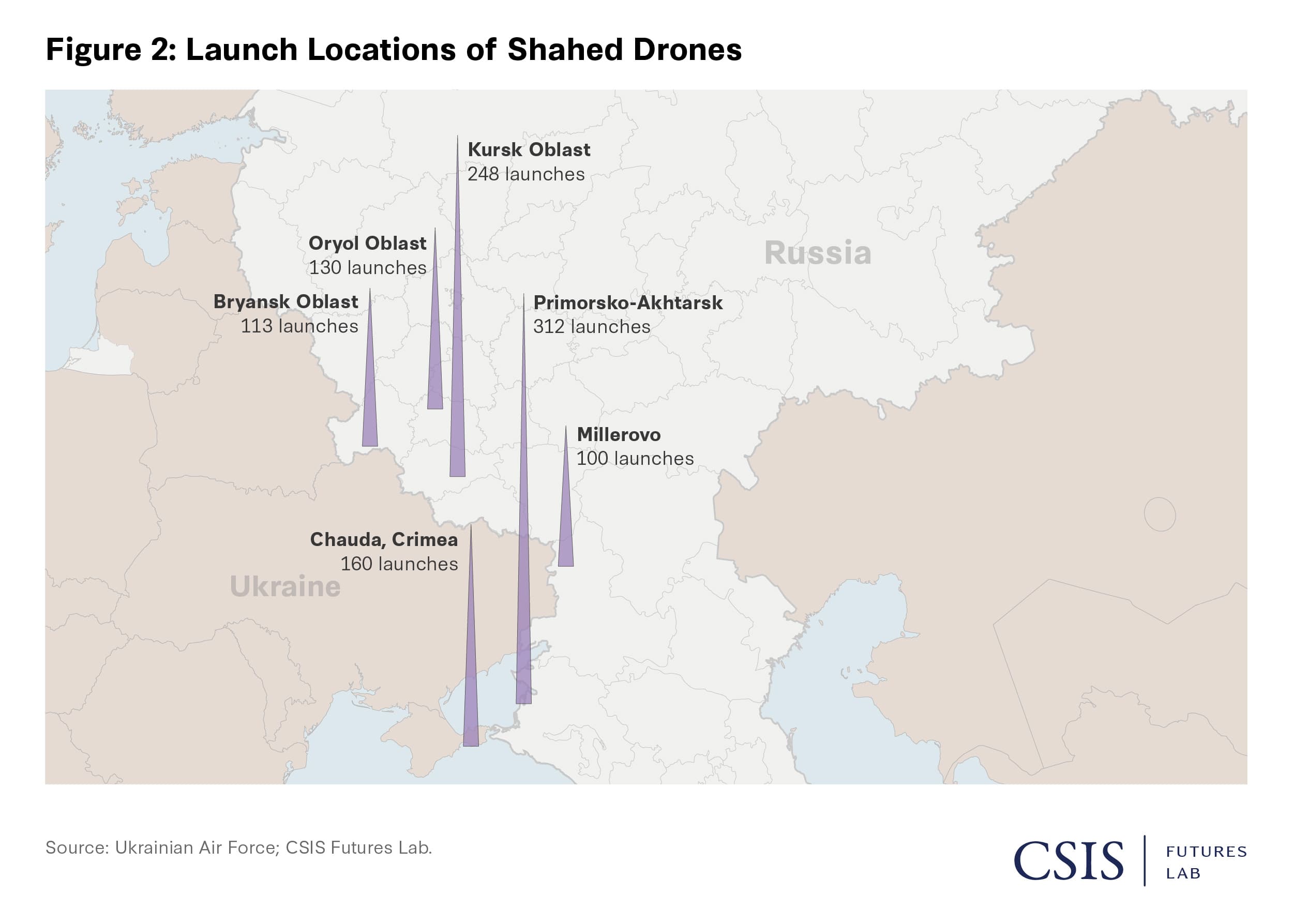
- Geographic commonalities: identify sustained target regions, examine their strategic relevance, and conduct distance-band analyses from launch areas.
- Temporal patterns: analyze diurnal and seasonal rhythms relative to weather conditions and production tempo.
- Typology of damage: quantify military-versus-civilian ratios, conditions for residential impacts, and secondary effects such as fires or blackouts.
Chapter 26
Keywords
Core indexing terms for citation and discovery.
Chapter 27
References
Key sources cited in this report.
- Tomoyuki Furuya, Kotaro Ito, Heigo Sato. Drones and the Transformation of Warfare. Keiso Shobo, 2024.
- Takashi Inoue. Unmanned Weapons. Ikaros Publications, 2023.
- Neil Hollenbeck et al. Calculating the Cost-Effectiveness of Russia's Drone Strikes. CSIS, 2025.
- David Albright et al. Alabuga's Greatly Expanded Production Rate of Shahed 136 Drones. Institute for Science and International Security. (accessed May 6).
- Federico Borsari. Adaptation Under Fire: Mass, Speed, and Accuracy Transform Russia's Kill Chain in Ukraine. CEPA. (accessed May 6).
- Uzi Rubin. Russia's Iranian-Made UAVs: A Technical Profile. RUSI. (accessed May 5).
- Igor Anokhin & Spencer Faragasso. Russian Decoy Drones that Depend on Western Parts Pose a Great Challenge to Ukrainian Defenses. (accessed May 5).
- Igor Anokhin & Spencer Faragasso. Updated Analysis of Russian Shahed 136 Deployment Against Ukraine. (accessed May 1).
- Spencer Faragasso, David Albright, Sarah Burkhard. Assessment of the April 2024 Strike on Alabuga Special Economic Zone. (accessed May 6).
- Spencer August Faragasso et al. Alabuga Special Economic Zone Post-Attack Analysis and Air Defense Site Identification. (accessed May 6).
- Counter-Unmanned Aircraft System (CUAS) Mobile Air Defense Integrated System documentation for RIwP-based architectures.
- Lester W. Grau & Charles K. Bartles. The Russian Reconnaissance-Fire Complex Comes of Age. 2018.
- Benjamin Jensen & Jose M. Macias III. Operational Fires in the Age of Punishment. CSIS, 2025.
- Benjamin Jensen & Yasir Atalan. Drone Saturation: Russia's Shahed Campaign. CSIS, 2025.
- Jack Watling & Gary Somerville. A Methodology for Degrading the Arms of the Russian Federation.
- Saba Sotoudehfar & Jeremy Julian Sarkin. Drones on the Frontline. International and Comparative Law Review, 2023.
- Andrew Radin et al. Lessons from the War in Ukraine for Space. 2025.
- Aleksander Kazak. Military Use of Unmanned Aerial Vehicles by Ukraine – Risk Assessment for Belarus.
- Defense Express. How to Counter Iranian Shahed-136 and Shahed-131 Kamikaze Drones, Used by Russia to Strike Ukrainian Cities. (accessed Jun 16).
- Igor Anokhin & Spencer August Faragasso. May 2025 Updated Analysis of Russian Shahed 136 Deployment Against Ukraine. (accessed Jun 16).
- Center for Operational Standards, Oleksiy Taran. Guidelines: Combined Arms Units to Combat Iranian-made Strike UAVs Shahed-136 (Geran-2) and Lancet-2. 2023.